
What is GWK Cultural Park?
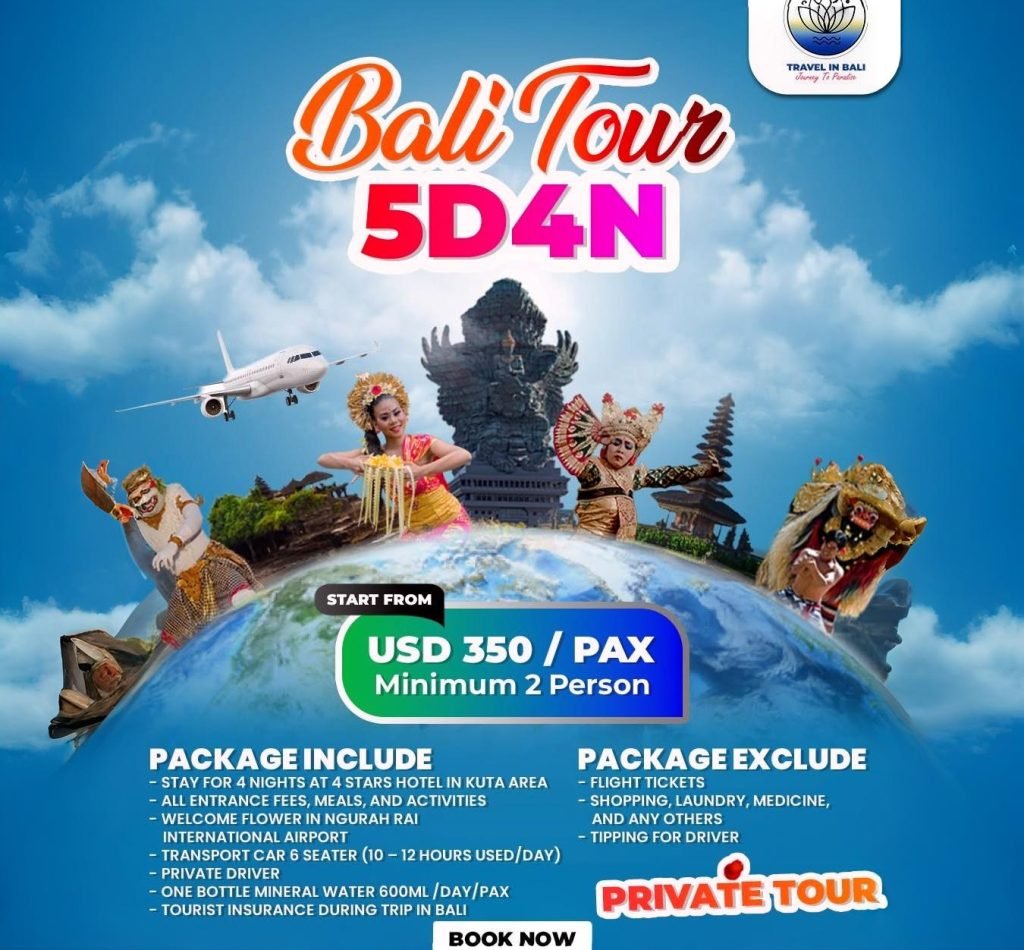
GWK Cultural Park, short for Garuda Wisnu Kencana, is an iconic cultural complex nestled on the limestone plateau of Ungasan Hill in Bali, Indonesia. Spanning approximately 60 hectares, this park is renowned for its colossal statue of Vishnu riding Garuda, a mythical bird and the deity’s companion. More than just a park, GWK embodies Bali’s artistic and spiritual identity, blending grand architecture with cultural performances in a breathtaking setting.
History of GWK Cultural Park
The vision for GWK Cultural Park emerged in 1990, conceptualized by the renowned Balinese sculptor, I Nyoman Nuarta. The aim was to create a cultural landmark that would become a source of pride for Indonesia. However, the journey to realization was long and challenging, marked by financial difficulties that delayed construction.
The monumental statue of Vishnu and Garuda, standing at an impressive 121 meters, was finally completed and inaugurated in July 2018. Its towering presence dominates the skyline, intentionally designed to serve as a beacon of Bali’s rich cultural heritage.
Why is GWK Cultural Park Important?
GWK Cultural Park is more than just a tourist attraction; it stands as a significant cultural icon for Bali and Indonesia. The park serves as a testament to Hindu philosophy and its lasting influence on Indonesian culture. The Vishnu statue, one of the tallest in the world, is not only admired for its massive scale but also for its intricate craftsmanship and profound symbolism.
Beyond its architectural marvels, GWK plays a crucial role in preserving and promoting Balinese arts and traditions. It serves as a hub where artists and performers showcase their heritage through dance, music, and visual arts. For locals, it is a symbol of pride, while for visitors, it offers a deep cultural immersion into Bali’s artistic legacy.

Things to Do & See at GWK Cultural Park
A journey through GWK Cultural Park unveils an array of attractions that cater to culture, art, and history enthusiasts.
Plaza Wisnu
Begin your visit at Plaza Wisnu, where the imposing statue of Vishnu stands as a guardian of the land. Looking up at this magnificent sculpture, one can’t help but feel a blend of awe and serenity.
Lotus Pond
Lotus Pond, with its vast cobblestone flooring enclosed by soaring rock walls, serves as a prime venue for large-scale international events and concerts. If you visit during an event, witnessing a performance against the dramatic backdrop of GWK is truly magical.
Street Theatre
Experience the richness of Balinese culture at the Street Theatre, where traditional dance performances take center stage. From daily Balinese dance showcases to contemporary art expressions, this vibrant space is a must-visit. The mesmerizing Kecak dance at sunset is a highlight, reenacting the Ramayana epic through a hypnotic chorus and fiery spectacle.
Viewing Gallery
For a breathtaking panoramic view of Bali, ascend to the top of the Garuda statue, where a viewing gallery awaits. On a clear day, you can witness the Indian Ocean, the southern hills of Bali, and even the volcanic mountains of East Java.
Art Market & Culinary Delights
Before concluding your visit, explore the art market where you’ll find exquisite Balinese handicrafts. Alternatively, indulge in the flavors of Bali at the various restaurants and cafes within the park, each offering a taste of the island’s culinary heritage.
In essence, GWK Cultural Park is a living cultural treasure that continues to evolve, celebrating Bali’s rich traditions while sharing them with the world. And as for the hidden gems within the park? Well, those are best discovered in person. So, shall we explore them together?