Manta Bay Bali: A Paradise for Snorkeling and Diving
Located off the coast of Nusa Penida, Bali, Manta Bay is a breathtaking destination famous for its crystal-clear waters and majestic manta rays. This spectacular bay offers an unforgettable experience for snorkeling and diving enthusiasts, making it one of the top attractions in Bali.
The History of Manta Bay
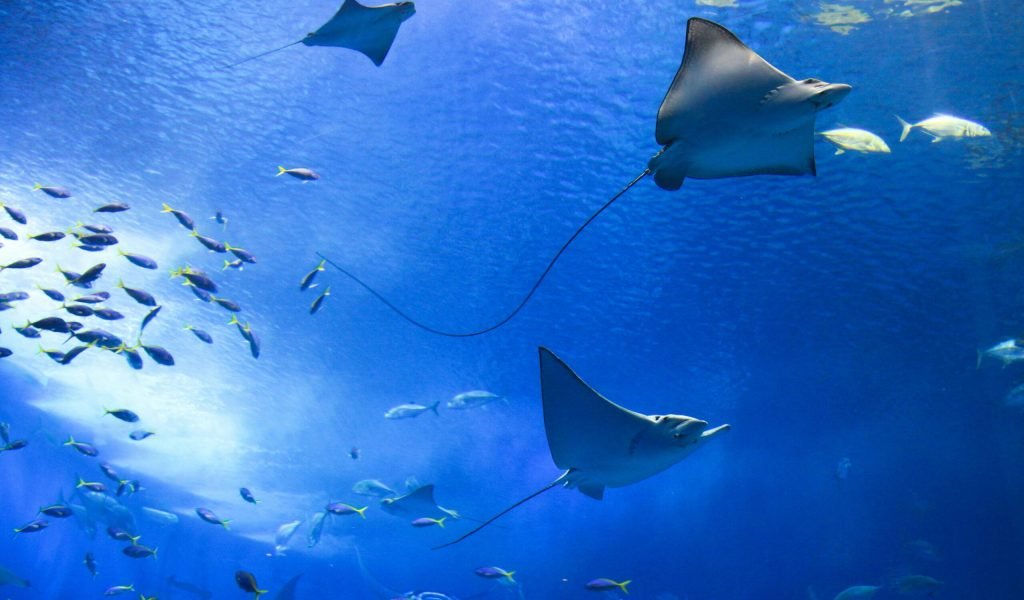
Once a hidden gem, Manta Bay has gained worldwide recognition among divers and marine life lovers. The bay is home to a thriving population of manta rays, which are drawn to its waters due to the abundance of plankton. Over the years, Manta Bay has become a symbol of Bali’s commitment to marine conservation and sustainable tourism.
Why is Manta Bay Important?
- Marine Conservation – Manta Bay serves as a vital habitat for manta rays and diverse marine species, highlighting the importance of ocean conservation efforts.
- Eco-Tourism Hub – The bay attracts visitors from around the world, promoting sustainable tourism and supporting the local economy.
- Unique Snorkeling & Diving Spot – Unlike other dive sites, Manta Bay offers up-close encounters with gentle manta rays in their natural environment.
Things to Do & See at Manta Bay
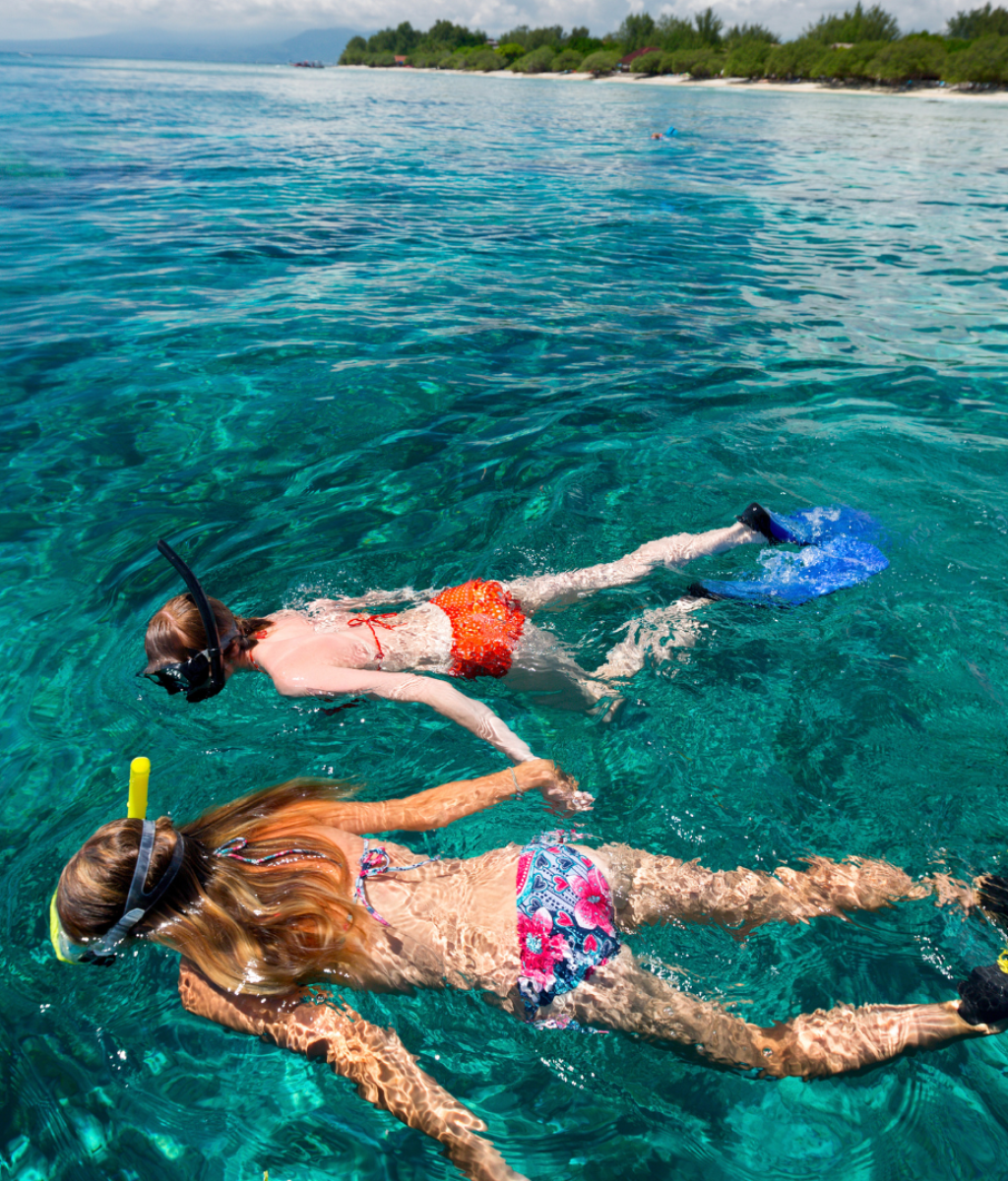
Snorkeling with Manta Rays
Experience the thrill of swimming alongside graceful manta rays in their natural habitat. The clear waters provide excellent visibility, allowing snorkelers to observe these magnificent creatures up close.
Diving Adventures
Certified divers can explore the bay’s stunning underwater world, featuring vibrant coral reefs, diverse marine species, and, of course, the famous manta rays.
Boat Tours & Island Views
Join a boat tour around Manta Bay to admire the spectacular coastal scenery of Nusa Penida. Enjoy panoramic views of the island’s cliffs, beaches, and turquoise waters.
Underwater Photography
Capture the breathtaking beauty of Manta Bay through photography. The combination of clear blue waters, vibrant marine life, and graceful manta rays makes for unforgettable snapshots.
Plan Your Visit to Manta Bay
📌 Location: Nusa Penida, Bali, Indonesia
⏰ Best Time to Visit: April – November (for optimal snorkeling & diving conditions)
💸 Tour Prices: Varies depending on tour operators and activities
Whether you’re an adventure seeker, nature lover, or underwater photography enthusiast, Manta Bay promises a once-in-a-lifetime marine experience. Dive into the wonders of Bali’s ocean and create unforgettable memories in this underwater paradise.